"Forza Horizon 6" tuning guide searches are driven by players who want better speed, sharper handling, and more control across different terrains.
Tuning in this game is not just about upgrading parts but adjusting performance systems that directly affect how a car behaves on the road, dirt, or drift events. We need to understand that these mechanics help improve lap times, drifting consistency, and overall race performance.
This guide breaks down the tuning system, core settings, and commonly searched questions related to tuning setup, best tuning settings, and how to tune cars in "Forza Horizon 6."
'Forza Horizon 6' Tuning System
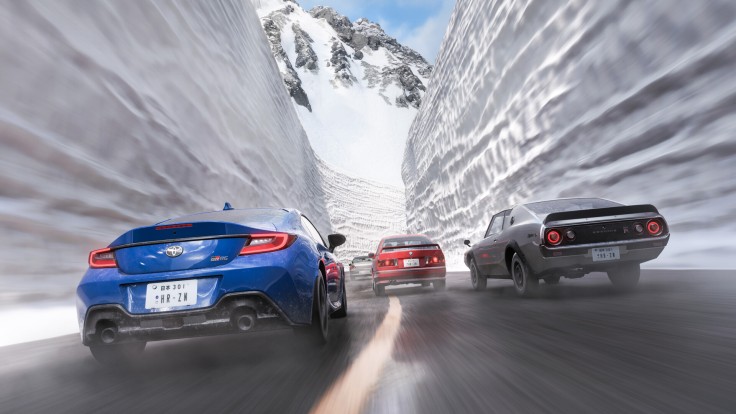
Tuning in "Forza Horizon 6" refers to adjusting a vehicle's mechanical and performance settings after installing upgrades. Unlike basic upgrades that increase stats, tuning allows precise control over handling, acceleration, braking, and traction.
The system is commonly divided into:
- Tire pressure adjustments
- Gear ratio tuning
- Alignment settings (camber, toe, caster)
- Suspension tuning
- Brake balance
- Differential settings
Each category influences how the car reacts under different driving conditions, such as sprint races, circuit races, or drifting.
How to Tune Cars in 'Forza Horizon 6' Step by Step
Players searching for how to tune cars in "Forza Horizon 6" usually follow a structured process inside the garage tuning menu.
Step 1: Enter the Garage Setup Menu
- The tuning menu becomes available after installing performance upgrades like tires, suspension, or drivetrain modifications.
Step 2: Choose the Tuning Category
- Each section affects a different part of performance:
- Tires affect grip and responsiveness
- Gearing affects acceleration and top speed
- Suspension controls stability and cornering
Step 3: Adjust Based on Driving Style
Tuning depends heavily on whether the car is used for:
- Racing (grip-focused setup)
- Drift events (loose rear traction)
- Off-road racing (suspension and tire focus)
Step 4: Test Drive and Refine
Small adjustments often produce the biggest improvements, especially in gear ratios and differential settings.
Best Tuning Settings 'Forza Horizon 6' Beginners Use
New players often search for the best tuning settings for "Forza Horizon 6" to improve stability without overcomplicating setups.
A balanced beginner setup usually includes:
- Medium tire pressure for grip and stability
- Slightly softened suspension for smoother handling
- Balanced brake bias (near center)
- Differential set to moderate lock for predictable traction
This setup works well for road racing and general exploration without requiring advanced adjustments.
'Forza Horizon 6' Drift Tuning Guide
Drifting requires reduced rear traction and controlled oversteer.
Key drift tuning adjustments include:
- Lower rear tire pressure for easier slip
- Increased steering angle (if available)
- Loose rear differential settings
- Reduced rear grip through camber tuning
- RWD drivetrain preference for consistency
Drift builds often prioritize control over outright speed, especially in long corner chains.
Race Tuning Setup For Grip and Speed Builds
Competitive players looking for "Forza Horizon 6" tuning setup focus on maximizing traction and cornering speed.
Important adjustments:
- Stiffer suspension for improved response
- Optimized gear ratios for acceleration
- Increased front grip through alignment tuning
- Aerodynamic balance (if supported in FH6 mechanics)
- Strong differential lock for traction stability
AWD builds are often used for balanced grip, while RWD setups favor higher top speed potential.
Advanced Tuning Settings Explained
Advanced tuning separates casual builds from competitive setups.
Gear Ratio Tuning
- Short gears improve acceleration, while longer gears increase top speed. Proper balancing depends on the track layout.
Suspension Tuning
- Stiff suspension improves cornering but reduces comfort on uneven terrain.
Camber and Toe Settings
- These adjustments influence tire contact with the road during turns, improving grip when set correctly.
Differential Tuning
- Controls how power is distributed between wheels, heavily affecting acceleration and drift behavior.
How to Make the Fastest Car in 'Forza Horizon 6'
Want to have the fastest car in "Forza Horizon 6? It usually involves a mix of upgrades and tuning.
Key performance factors include:
- Engine swaps for higher power output
- Weight reduction for improved acceleration
- Optimized gearing for top speed runs
- Tire upgrades for reduced rolling resistance
Speed builds are typically tested on long straight routes for maximum performance accuracy.
Best Cars For Tuning in 'Forza Horizon 6'
Some vehicles respond better to tuning changes due to balance and upgrade flexibility. Common categories include:
- Lightweight sports cars for agile tuning
- Hypercars for extreme speed builds
- RWD platforms for drift setups
- AWD cars for balanced race performance
Car selection significantly affects how effective tuning adjustments will be.
Common Tuning Mistakes Players Make
Many players searching for a tuning guide struggle with inconsistent results due to:
- Over-stiff suspension settings
- Extreme gear ratio changes without testing
- Incorrect differential lock values
- Ignoring tire pressure balance
Small, incremental adjustments are typically more effective than drastic changes.
Is AWD or RWD Better For Tuning in 'Forza Horizon 6?
AWD and RWD setups serve different purposes.
AWD provides better stability and grip for beginners and competitive racing while RWD offers higher drift potential and faster top-speed builds when tuned correctly
Choice depends on driving style and race conditions rather than a universal advantage.
Mastering 'Forza Horizon 6' Tuning Builds
Tuning in "Forza Horizon 6" rewards experimentation and adaptation. Each adjustment changes how a vehicle behaves across different environments, making test driving an essential part of optimization.
Players who refine setups gradually often achieve more consistent race performance compared to those relying on preset builds.