Ranking the "Kingdom Hearts" series is never straightforward. Every entry has strengths that appeal to different players. Some focus on combat depth. Others lean heavily into story or nostalgia.
The goal here is to look at each main entry in terms of gameplay, story impact, and overall experience. No single ranking defines the entire series.
Before "Kingdom Hearts IV" officially makes its way to Nintendo Switch 2, check our list so you can replay these games.
'Kingdom Hearts II'
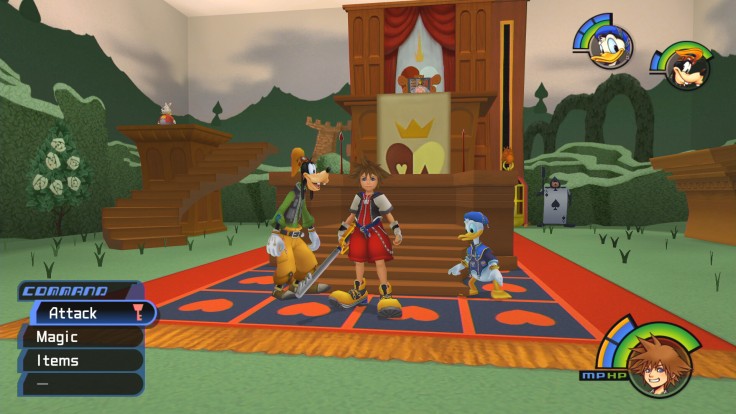
"Kingdom Hearts II" is often seen as the strongest entry in the franchise. It improves nearly every core system from the original game. Combat feels smoother and faster. Reaction commands add variety to battles. Movement is more responsive and dynamic.
The story also becomes more layered. Characters are more developed. Twists arrive more frequently. The Disney worlds feel more integrated into the overall narrative. Each world visit feels meaningful instead of repetitive.
Many players consider this entry the benchmark for the series. Its balance of gameplay, pacing, and presentation keeps it at the top for a large part of the community.
'Kingdom Hearts III' + 'Re Mind'
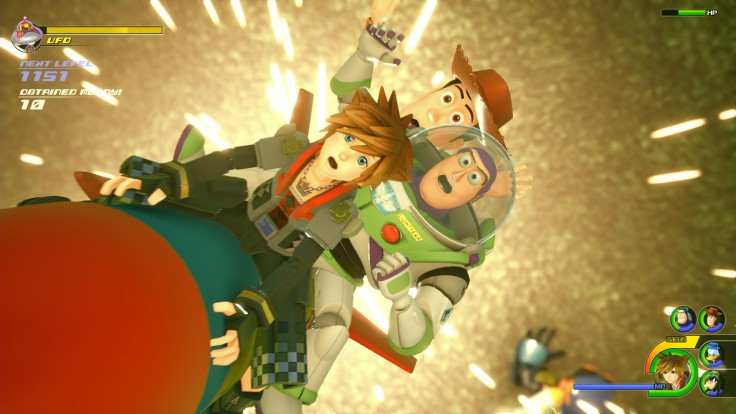
Kingdom Hearts III continues the saga with modern visuals and a more fluid combat system. Movement is faster. Battles feel smoother. Attractions and team attacks add spectacle to fights.
The story, however, received mixed reactions. Some players felt the final act rushed key moments. Disney World integration also feels lighter compared to earlier titles. "Final Fantasy" characters appear less frequently, which some fans missed.
The "Re Mind" DLC changes the experience by a huge margin. It adds new boss fights, extended story scenes, and deeper context to the ending. Many players consider it essential for a more complete narrative experience.
'Kingdom Hearts: Birth by Sleep'
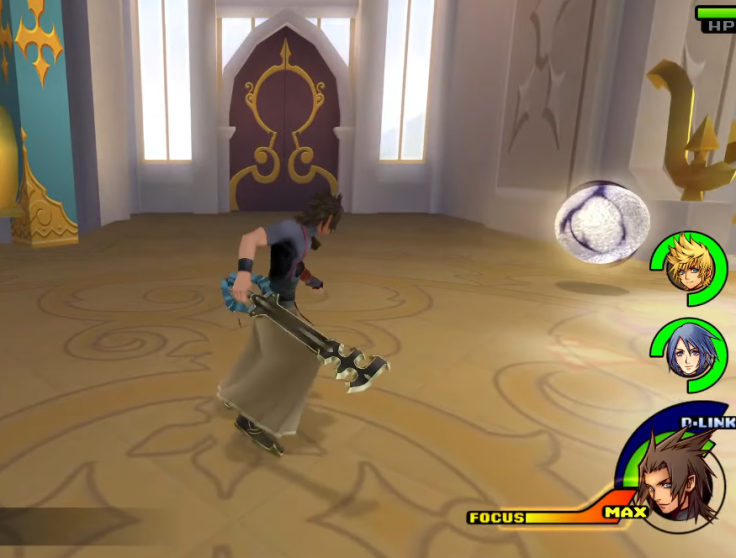
"Kingdom Hearts Birth by Sleep" stands out for its structure. Instead of one main character, it follows three separate storylines. Each character offers a different perspective on the overall plot.
The combat system introduces command-based mechanics that later entries refine. It feels strategic and customizable. Despite being a PSP title, later HD versions remain visually strong.
Voice performances from actors like Mark Hamill and Leonard Nimoy add weight to the story. The narrative also serves as a foundation for many major events in the series timeline.
'Kingdom Hearts Re:Chain of Memories'
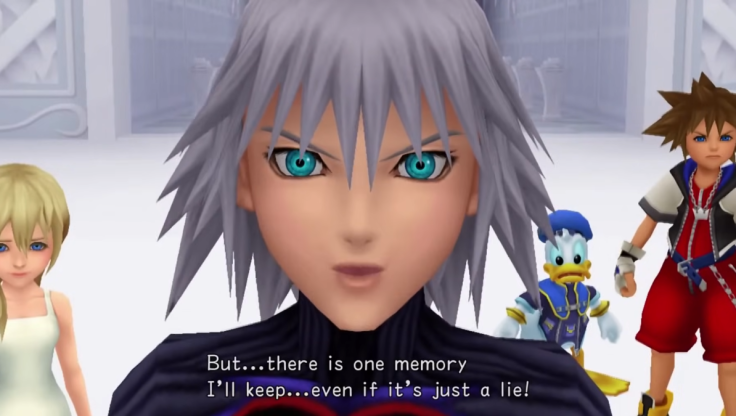
"Kingdom Hearts Re:Chain of Memories" takes a different approach with card-based combat. This system replaces traditional action mechanics with deck-building strategy.
At first, the system feels unusual. However, it adds depth once understood. Timing and deck setup become key to success. The game also introduces a separate Riku storyline, which adds replay value.
While the gameplay style is divisive, it plays an important role in connecting the story between the first and second main entries.
'Kingdom Hearts'
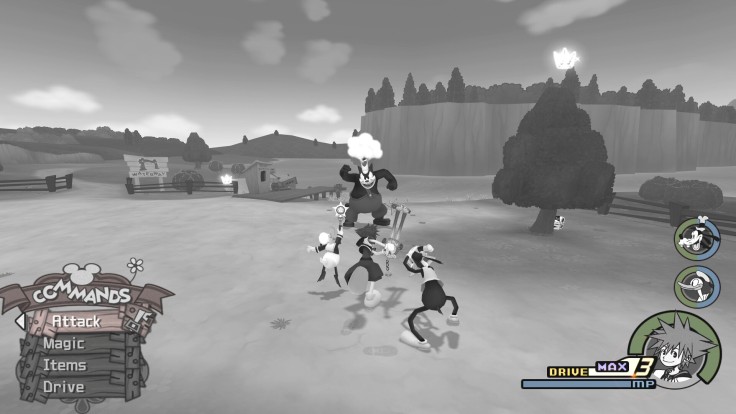
"Kingdom Hearts" is where the franchise began. It introduced the combo of Disney worlds and original characters that defines the series today. The story focuses on Sora's journey across multiple worlds to stop darkness from spreading.
The game carries strong nostalgia and charm. Its Final Mix version improves many systems, and later HD releases refine it further. However, gameplay feels slower compared to newer entries.
Despite its age, it remains a key starting point for understanding the series' lore and structure. It's definitely the "OG" of the franchise for all its worth.
Why 'Kingdom Hearts' Rankings Will Always Stay Debatable
The "Kingdom Hearts" series is built on variety. Each entry explores different gameplay systems and storytelling styles. Some players value combat depth. Others prioritize emotional story arcs or Disney world integration.
Because of this, rankings will always differ. Each game offers something unique that contributes to the larger narrative.
Playing the series in order gives the clearest understanding of its complex timeline and character connections.