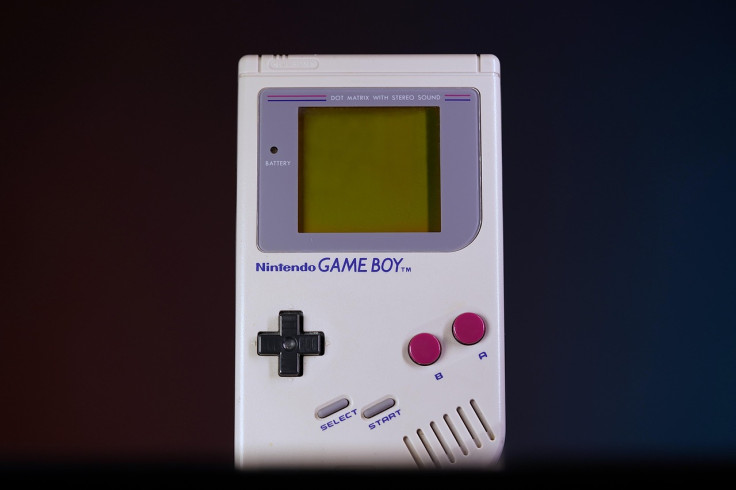
The retro game boom has positioned pixel art games and indie gaming trends as dominant forces in 2025, outpacing hyper-realistic titles through nostalgia, affordability, and more straightforward gameplay.
Market data shows the retro gaming sector valued at $3.8 billion globally this year, projected to reach $8-8.5 billion by 2033 with a 10% CAGR, far exceeding traditional console growth rates of 3-4%. This surge reflects consumer fatigue with high-end graphics demands and live-service models, favoring accessible retro experiences on platforms like Steam and Nintendo Switch.
Why Are Retro Games Popular Again?
Retro games captivate players through nostalgia tied to 80s and 90s aesthetics, including chiptune soundtracks and limited palettes that evoke childhood memories for millennials and Gen X gamers.
A Consumer Reports survey indicates that 14% of U.S. gamers regularly play pre-2000 titles, while Back Market research reveals that 71% of Brits desire retro tech from their youth, with retro consoles seeing 32% more sales in 2025 than in all of 2024. Social media amplifies this via TikTok's #retrogaming hashtag, garnering billions of views and introducing Gen Z to classics like "Super Mario Bros." without needing original hardware.
Platforms such as Nintendo Switch Online and emulation devices like Analogue Pocket democratize access, enabling seamless play of titles like "Chrono Trigger" on modern devices.
This accessibility counters hyper-realistic games' requirements for powerful PCs or consoles, appealing to casual players seeking distraction-free sessions. Community discussions on Reddit highlight how Retro's challenge-based design fosters skill mastery over pay-to-win mechanics prevalent in realistic AAA releases.
What Is Pixel Art in Gaming?
Pixel art in gaming employs blocky, low-resolution sprites with constrained color palettes, mimicking early consoles like NES or Game Boy while incorporating modern techniques such as parallax scrolling and particle effects.
These pixel art games create immersive worlds efficiently, as seen in indie hits blending retro visuals with procedural generation for replayability. Developers favor this style for its low resource needs, far below the budgets of photorealistic open-world titles, allowing solo creators to compete with studios.
In 2025, pixel art dominates indie gaming trends, powering titles that sell millions via one-time purchases on itch.io and Steam, unlike subscription-heavy, realistic games. Merchandise like posters and apparel tied to pixel aesthetics further boosts revenue, correlating with events like PAX and holiday surges. This visual simplicity enhances mobile compatibility, expanding reach to emerging markets where high-end hardware remains scarce.
Why the Retro Gaming Boom in 2025?
The retro game boom in 2025 arises from subscription fatigue and economic pressures, as players opt for inexpensive, complete experiences over endless microtransactions in hyper-realistic live services.
MIDiA Research notes steady 7-10% annual growth, driven by digital re-releases from Sega and Square Enix, as well as new retro-inspired titles exceeding $500 million in value. Physical sales spike with collections like "Capcom Fighting Collection 2," attracting collectors via limited editions and online marketplaces.
Gen Z's embrace of retro stems from discovering challenge over 4K visuals, fueled by Twitch streams and YouTube retrospectives that bridge generational gaps. Mobile ports and emulation lower entry barriers, outpacing the complexity of realistic games in internet cafes and game rooms, indicating strong demand. Globally, North America and Europe lead, but Asia-Pacific growth accelerates as incomes rise and broadband access expands.
Indie Gaming Trends Driving Sales
Indie gaming trends harness the retro game boom by leveraging pixel art games' quick development cycles, enabling fresh mechanics in nostalgic packages that outperform big-budget, realistic flops.
Low-cost tools like Aseprite and Godot empower creators to release polished titles affordably, dominating Steam's top sellers with one-time purchases that yield higher margins than free-to-play models. Emulation hardware innovations and mods extend classic libraries to current consoles, boosting digital and physical sales.
These trends favor simplicity: retro titles offer finite narratives and skill tests, contrasting hyper-realistic games' grindy progression systems. Community platforms like Reddit's r/retrogaming discuss hardware preferences, from original natives to all-in-ones, sustaining engagement. Projections indicate sustained expansion, with indie retro hits targeting global audiences via online distribution.
Retro-style games' outselling of hyper-realistic counterparts underscores a market pivot toward value and joy. Pixel art games and indie gaming trends deliver craftsmanship without excess, as evidenced by 2025's $3.8 billion valuation and double-digit growth. Players prioritize timeless appeal over graphical fidelity, a shift likely to persist amid evolving consumer habits.
Frequently Asked Questions
1. How do retro games differ in difficulty from hyper-realistic titles?
Retro games emphasize trial-and-error mechanics and limited lives without frequent saves, building player skill through perseverance, unlike hyper-realistic modern titles that offer adjustable difficulties, auto-saves, and guidance systems for broader accessibility. This challenge fosters replayability in pixel art games, aligning with indie gaming trends that prioritize mastery over casual progression.
2. Are retro-style games more accessible on low-end hardware?
Retro-style games run smoothly on older devices or mobiles due to low graphical demands, avoiding the high GPU/CPU needs of hyper-realistic titles that often require 4K setups or cloud streaming. Pixel art's simplicity enables cross-platform play on Switch and in browsers, enhancing the retro game boom for budget-conscious players in emerging markets.
3. What role does ownership play in retro gaming popularity?
Players value retro games for complete, offline ownership via physical cartridges or one-time digital purchases, contrasting them with hyper-realistic live-service models that require ongoing updates and connectivity. This model boosts indie gaming trends, as consumers avoid subscription risks amid the retro game boom.
4. Can hyper-realistic games incorporate retro elements successfully?
Hyper-realistic titles sometimes blend pixel art filters or chiptune soundtracks for stylistic contrast, but face uncanny valley issues if realism falters. In contrast, pure retro aesthetics in pixel art games maintain charm without such pitfalls. Indie developers leverage this hybrid in trends, appealing to nostalgia seekers during the retro game boom.
Originally published on Tech Times