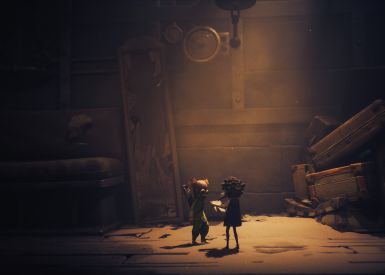
Gaming burnout happens when games stop feeling fun and start feeling tiring, repetitive, or emotionally flat, even for players who normally enjoy them.
In discussions about gaming burnout, stress management, burnout recovery, and mental health often become central because the shift in enjoyment is usually tied to how games fit into daily routines. When gaming lifestyle balance is lost, video game fatigue can turn a relaxing hobby into something that feels like pressure instead of escape.
This experience is more common than many players realize and is not a reflection of skill or passion. Instead, it often develops gradually through overuse, routine repetition, or emotional stress.
For readers exploring healthy screen time and player well-being, understanding gaming burnout helps explain why a once-enjoyable activity can suddenly feel draining and how that feeling can be reversed with the right approach.
Signs That Gaming Burnout Is Happening
Gaming burnout does not always appear suddenly, as it usually builds up through small changes in motivation, focus, and enjoyment over time. Recognizing the early signs of gaming burnout can help players address stress, improve gaming habits, and protect overall mental health before the hobby starts to feel draining.
- Games feel like an obligation: A clear sign is when playing starts to feel like a task instead of a choice. The enjoyment is replaced by routine pressure.
- Interest drops across multiple games: Even new releases may feel uninteresting when fatigue affects motivation and mental engagement.
- Small setbacks feel more frustrating: Losses or slow progress may trigger stronger irritation than usual, showing reduced emotional tolerance.
- Less excitement to start playing: Opening games feels neutral instead of exciting, with little anticipation or reward.
- Short or aimless sessions: Players may log in briefly but quickly lose focus or motivation to continue.
- Gaming stops feeling restorative: The hobby no longer works as a break from daily pressure or responsibilities.
- Guilt around playing or not playing:Conflicted feelings about time spent gaming often signal unhealthy habits.
- Other hobbies feel more appealing: A temporary interest in other activities may indicate mental overload rather than permanent loss of interest.
Why Gaming Burnout Happens in stress management
Gaming burnout often develops when repetition replaces variety in gaming habits. Long sessions, competitive pressure, and constant progression systems can slowly turn entertainment into effort. For stress management, this shift is important because the brain can begin linking games with obligation instead of relaxation, increasing video game fatigue over time.
Outside stress also plays a major role in mental health and gaming enjoyment. Work, school, poor sleep, and emotional strain can reduce the energy available for hobbies, even if the games themselves have not changed. This connection explains why burnout recovery often requires looking beyond gaming and addressing overall lifestyle balance.
Social pressure adds another layer to gaming burnout. Multiplayer communities, ranked systems, and live events can create expectations to stay active. When gaming becomes something a player feels they "must" keep up with, healthy screen time becomes harder to maintain and enjoyment naturally declines.
How To Recover And Enjoy Games Again
Burnout recovery often starts with small, intentional changes that help reset how games feel. Rebuilding enjoyment after gaming burnout usually requires both rest and adjustments to gaming habits that support better mental health and gaming lifestyle balance.
- Taking a short break: Stepping away from games for a few days allows the mind to reset and reduces the feeling of endless repetition. This helps identify whether fatigue is temporary or part of a deeper stress management issue.
- Changing gaming habits: Switching from competitive games to slower-paced or creative experiences can reduce pressure. This shift helps restore curiosity and makes gaming feel more enjoyable again.
- Improving gaming lifestyle balance: Adjusting how and when games are played supports long-term enjoyment. It encourages gaming to feel optional rather than something tied to performance or obligation.
A Healthier Relationship With Gaming Starts With Balance
Gaming burnout does not mean interest in games is gone forever; it usually signals that current gaming habits no longer match a person's energy or lifestyle. Through stress management, burnout recovery, and attention to mental health, many players can rebuild enjoyment without forcing themselves to play.
For anyone working toward better gaming lifestyle balance, the key idea is that games feel best when they remain flexible, pressure-free, and part of a wider routine that supports overall well-being.
Frequently Asked Questions
1. What is gaming burnout?
Gaming burnout is a state where games feel tiring or uninteresting instead of enjoyable. It often develops from overuse, stress, or repetitive gaming habits. Mental health and lifestyle balance can strongly influence how it appears. It is usually temporary and can be improved with rest and recovery.
2. How does stress affect gaming burnout?
Stress reduces energy and focus, making games feel more like effort than entertainment. When stress management is poor, video game fatigue can increase quickly. External pressures like work or school can also contribute. This often makes gaming less enjoyable overall.
3. What is the best way to recover from gaming burnout?
The most effective burnout recovery method is taking a short break from gaming. This helps reset attention and reduces emotional fatigue. Changing game types can also help restore interest. Gradual reintroduction supports better long-term balance.
4. How can players prevent gaming burnout?
Players can prevent gaming burnout by maintaining healthy screen time habits and taking regular breaks. Keeping other hobbies active supports better mental health. Avoiding excessive competitive pressure also helps. A balanced routine improves long-term enjoyment.
Originally published on gamenguide.com